
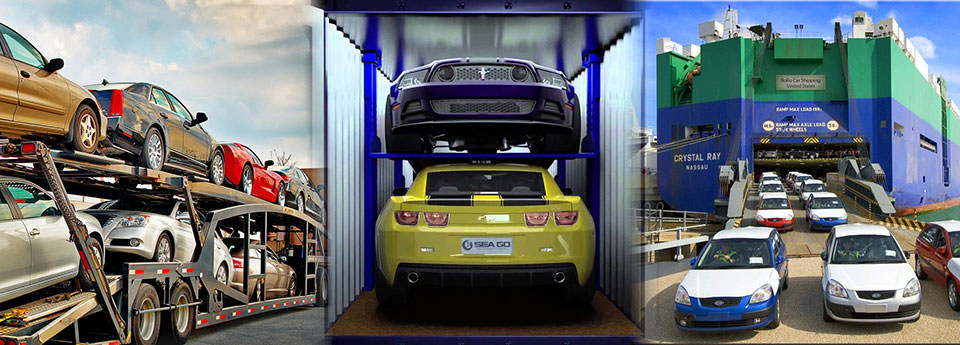
Shipping a car from Vancouver to Toronto is one of the most common long-distance vehicle relocation routes in Canada. The route connects the West Coast with the Greater Toronto Area, which makes it important for relocations, remote vehicle purchases, dealership transfers, student moves, corporate fleet transport, and seasonal travel.
The road distance is roughly 4,400 kilometres. Driving that route yourself can mean several long days through British Columbia, Alberta, the Prairies, Northern Ontario, and finally the GTA. By the time you add fuel, hotel stays, meals, time off work, road conditions, and mileage, professional auto transport often becomes the more practical option.
This guide explains how Vancouver to Toronto car shipping works in 2026, what it may cost, how long it usually takes, which transport methods are available, and how to prepare your vehicle before pickup.
What does shipping a car from Vancouver to Toronto involve?
Shipping a car from Vancouver to Toronto means arranging domestic vehicle transport from Vancouver, the Lower Mainland, or another British Columbia pickup point to Toronto or the Greater Toronto Area. The vehicle may move by open carrier, enclosed carrier, rail plus truck, terminal-to-terminal service, or door-to-door delivery depending on the vehicle and route requirements.
This is a domestic Canadian move. It does not involve customs, ocean freight, import clearance, or international paperwork. The main planning factors are distance, vehicle size, transport method, carrier availability, pickup access, delivery access, and weather.
Key car shipping terms
Open carrier transport means the vehicle travels on an open auto transport trailer. This is the most common and cost-effective option for standard vehicles.
Enclosed transport means the vehicle travels inside a covered trailer. It offers stronger protection from road debris, weather, road salt, and long-distance exposure.
Rail plus truck transport means rail handles part of the long-haul movement, while truck transport supports pickup, delivery, or terminal access.
Door-to-door transport means the carrier picks up and delivers as close as safely and legally possible to the requested addresses.
Terminal-to-terminal service means the customer drops off and picks up the vehicle at approved carrier yards, terminals, or rail facilities.
Condition report means the inspection record completed at pickup and delivery. It documents visible marks, mileage, keys, and vehicle condition.
Why ship a car from Vancouver to Toronto?
Shipping a car from Vancouver to Toronto can save time, reduce mileage, and avoid a difficult cross-country drive. The route crosses mountain corridors, prairie highways, long stretches of Northern Ontario, and dense GTA delivery areas.
The drive is longer than it looks
Vancouver to Toronto is roughly 4,400 kilometres by road. That can mean more than 40 hours of driving before stops, weather, traffic, rest time, and overnight stays.
For most drivers, the trip takes several days. It also adds thousands of kilometres to the odometer, which can matter for newer, leased, financed, or high-value vehicles.
The route adds real travel costs
Driving yourself may seem cheaper at first. However, the real cost often includes fuel, hotels, meals, tire wear, brake wear, windshield-chip risk, maintenance, and time away from work.
For some vehicles, mileage depreciation can matter more than fuel. This is especially true for newer vehicles, low-mileage cars, and cars with strong resale value.
Weather and route conditions matter
The Vancouver to Toronto route can involve mountain passes in British Columbia and Alberta, prairie weather, and long Ontario highway sections. Winter can add snow, ice, road salt, and delays.
Professional transport does not eliminate all risk, but it reduces the need for the owner to complete a multi-day drive through changing road conditions.
Common reasons people use this route
Vancouver to Toronto car shipping supports both personal and commercial situations. It is one of the main domestic corridors for moving vehicles from British Columbia to Ontario.
Customers often use this route for:
- job relocation from British Columbia to Ontario;
- cross-province family moves;
- online vehicle purchases;
- dealership transfers;
- auction vehicle pickups;
- university or college moves;
- seasonal moves back to Ontario;
- corporate fleet transfers;
- snowbird vehicle transport;
- military or government-related relocation.
Each shipment can have a different priority. A family relocation may need convenient door-to-door planning. A dealership may care more about repeatable timing. A luxury vehicle owner may need enclosed transport.
Shipping options available on the Vancouver to Toronto route
Four main service types can apply to this route. The right choice depends on budget, vehicle value, delivery timeline, and access at both ends.
| Transport option | Best for | Main advantage | Planning note |
|---|---|---|---|
| Open carrier | Standard cars, SUVs, crossovers, and pickups | Best balance of cost and availability | Vehicle remains exposed to normal weather and road conditions. |
| Enclosed carrier | Luxury, classic, exotic, collector, or high-value vehicles | Stronger protection during a long route | Costs more and may require earlier booking. |
| Rail plus truck | Flexible long-distance moves | Can be cost-competitive on long corridors | Terminal timing can extend total transit time. |
| Terminal-to-terminal | Flexible customers near terminals | Can reduce local pickup or delivery cost | Customer handles drop-off and pickup. |
| Door-to-door | Relocations and convenience-focused moves | Easier for personal moves | Exact addresses still need safe carrier access. |
Open carrier transport
Open carrier transport is the most popular method on the Vancouver to Toronto route. A multi-car trailer carries several vehicles at once, which helps keep the cost lower than dedicated transport.
This option works well for standard sedans, SUVs, crossovers, vans, and light trucks. The vehicle remains exposed to normal weather and road conditions, but that is acceptable for most daily-use vehicles.
Enclosed car transport
Enclosed transport protects the vehicle inside a covered trailer. It reduces exposure to weather, road debris, road salt, dust, and long-distance highway conditions.
This method is usually the better choice for luxury vehicles, classic cars, collector vehicles, exotics, low-clearance performance cars, or vehicles with custom paint. Scheduling can take longer because fewer enclosed carriers operate on some long-distance lanes.
Rail plus truck transport
Rail plus truck transport may be available between Vancouver-area terminals and Toronto-area yards. Rail can support long-haul movement, while truck transport handles pickup or final delivery.
This option can be cost-competitive for flexible customers. However, terminal processing and local delivery can extend the timeline compared with direct truck transport.
Door-to-door vs terminal-to-terminal
Door-to-door service means the carrier picks up near your Vancouver-area address and delivers near your Toronto or GTA destination. This is usually easier for relocations and private vehicle moves.
Terminal-to-terminal service means you drop off and pick up the vehicle at approved logistics points. It may reduce cost, but it requires more involvement from the customer.
How much does it cost to ship a car from Vancouver to Toronto in 2026?
The cost to ship a car from Vancouver to Toronto in 2026 often ranges from $1,600 to $2,700 CAD for many standard vehicles, depending on vehicle size, transport method, season, access, and carrier availability.
| Vehicle type | Open carrier | Enclosed carrier | Rail plus truck |
|---|---|---|---|
| Sedan or compact | $1,600–$2,000 CAD | $2,200–$2,500 CAD | $1,400–$1,800 CAD |
| SUV or crossover | $1,700–$2,100 CAD | $2,300–$2,600 CAD | $1,500–$1,900 CAD |
| Pickup truck | $1,800–$2,200 CAD | $2,400–$2,700 CAD | $1,600–$2,000 CAD |
| Luxury or exotic | Not recommended | $2,700–$3,400 CAD | Not recommended |
These are planning ranges, not fixed final prices. The final quote depends on the exact vehicle, pickup location, delivery location, service type, timing, and current capacity.
Customers comparing current rate logic can review Rail Auto Canada’s car shipping pricing guide. It is still important to request a route-specific quote because fuel, season, access, and vehicle type can change the final number.
What drives the price up or down?
Several factors influence the final quote.
Vehicle size matters because larger vehicles use more carrier space. A full-size pickup usually costs more than a compact sedan.
Season can affect pricing. Summer and early fall often bring more relocations and higher demand. Winter may have softer demand, but mountain and prairie conditions can affect timing.
Service type changes cost. Open carrier usually costs less. Enclosed transport costs more. Rail plus truck can be competitive, but terminal handling and last-mile delivery still matter.
Pickup and delivery access can affect the route. Downtown Vancouver, condo areas, tight streets, and restricted Toronto delivery zones may require a nearby meeting point.
Fuel surcharge may also affect the quote. Always confirm whether the quoted price includes fuel-related charges or lists them separately.
Transit time from Vancouver to Toronto
Transit time depends on transport method, route conditions, carrier capacity, pickup access, delivery access, and season.
| Transport method | Estimated transit time | Planning note |
|---|---|---|
| Open carrier truck | 7–10 days | Usually faster and more direct. |
| Enclosed carrier | 7–12 days | Depends on specialist carrier availability. |
| Rail plus truck | 10–14 days | Can take longer due to terminal handling. |
| Expedited transport | Quote-based | May cost more and depends on capacity. |
These are planning estimates. Pickup windows and delivery windows can add time before and after the main transit segment.
Why open carrier can be faster
Open carrier truck transport often offers stronger availability because it is the most common auto transport method. Carriers also run frequent routes between major markets.
For standard vehicles, this can make open transport the most direct option.
Why rail may take longer
Rail plus truck can involve terminal drop-off, rail staging, long-haul rail movement, destination terminal release, and final local delivery.
That process can work well when timing is flexible. However, it may not be ideal for customers with a firm delivery deadline.
Driving yourself vs hiring a car shipping company
Driving from Vancouver to Toronto may look cheaper at first, but the full cost can be higher than expected when time and vehicle wear are included.
| Factor | Driving yourself | Professional car shipping |
|---|---|---|
| Distance and time | About 4,400 km and 40+ hours of driving | Vehicle moves while you travel separately |
| Direct cost | Fuel, hotels, meals, and road expenses | Route-based transport price |
| Vehicle wear | Adds thousands of kilometres | No added driving mileage |
| Weather risk | Driver handles mountain, prairie, and Ontario conditions | Carrier handles route movement |
| Convenience | Requires several days of planning | Pickup and delivery are coordinated |
| Fatigue | High on a multi-day drive | No long-distance driving required |
Driving may still work for someone who wants the road trip. However, shipping often makes more sense when the vehicle is newer, leased, financed, valuable, or needed at destination without mileage.
Route and logistics overview
The Vancouver to Toronto shipping route spans several major regions. The vehicle usually moves from the Lower Mainland through Western Canada, across the Prairies, and into Ontario.
Common origin areas
Pickup may happen in:
- Vancouver;
- Burnaby;
- Richmond;
- Surrey;
- Delta;
- Coquitlam;
- North Vancouver;
- West Vancouver;
- Langley;
- Abbotsford;
- nearby Lower Mainland locations.
Dense streets, underground parking, and condo areas may not work for large carriers. In those cases, a nearby open meeting point can make pickup easier.
Common destination areas
Delivery may happen in:
- Toronto;
- Mississauga;
- Brampton;
- Vaughan;
- Markham;
- Scarborough;
- Etobicoke;
- North York;
- Oakville;
- Richmond Hill;
- nearby GTA locations.
Downtown Toronto can create access challenges. Large carriers need safe stopping space, legal loading areas, and enough room to unload.
Key route considerations
This route may involve British Columbia mountain corridors, Alberta and Prairie routes, Manitoba, Northern Ontario, and final GTA delivery. Weather and road conditions can change across the route.
Because of that, customers should plan around estimated windows instead of exact delivery times.
How to prepare your car for shipping
Preparation helps avoid pickup delays and creates a clean inspection record.
Vehicle preparation checklist
Before pickup:
- wash the vehicle exterior enough for inspection;
- remove personal belongings from the cabin and trunk;
- leave fuel at about one quarter tank;
- check tire pressure;
- confirm the battery holds charge;
- remove toll tags and parking passes;
- disable alarms if needed;
- fold mirrors if possible;
- provide one working key;
- take photos before handoff;
- confirm the vehicle starts, steers, and brakes.
Why photos matter
Photos create a condition baseline before the vehicle leaves your possession. Take photos of the front, rear, both sides, roof, wheels, glass, bumpers, interior, odometer, and any existing marks.
At delivery, compare the vehicle to these photos and the condition report before signing final paperwork.
Personal item rules
Most carriers do not accept personal belongings inside the vehicle. Items can shift, break, add weight, or create liability issues.
Remove items from the trunk, glove box, centre console, door pockets, and under the seats.
Insurance and vehicle condition documentation
Professional auto transport should include carrier cargo insurance and a condition report process. However, customers should still confirm what the coverage includes and excludes before booking.
What to ask before booking
Ask about:
- carrier liability coverage;
- deductible rules;
- claim filing process;
- coverage limits for open and enclosed transport;
- high-value vehicle requirements;
- pickup inspection process;
- delivery inspection process.
For high-value vehicles, enclosed transport may offer a better fit because it can reduce exposure and may support higher coverage options.
What to check at delivery
Before signing delivery paperwork, inspect:
- front and rear bumpers;
- side panels;
- roof;
- windshield and glass;
- wheels and tires;
- mirrors and lights;
- lower panels;
- interior condition;
- odometer reading.
If something looks different, note it on the delivery paperwork immediately and take photos.
Common mistakes to avoid
Most Vancouver to Toronto car shipping problems start with incomplete details, late booking, or unclear service expectations.
Comparing only the lowest price
A low price may not include the same service level as another quote. Door-to-door, terminal-to-terminal, rail plus truck, open carrier, and enclosed carrier are different services.
Compare the full service, not only the number.
Booking too late
Long-distance routes require planning. Last-minute booking can reduce options and increase stress.
Request quotes early when you have a relocation date, dealership release, school move, flight, or business deadline.
Leaving belongings inside
Personal items are usually not covered during auto transport. Remove them before pickup.
This includes items in the cabin, trunk, glove box, console, and seat pockets.
Not disclosing modifications
Lift kits, oversized tires, roof racks, spoilers, low clearance, and aftermarket parts can affect loading.
Share these details before booking so the carrier can confirm equipment fit.
Assuming rail is always cheapest
Rail can be cost-competitive, but terminal handling and local delivery can change the final cost.
For some customers, open carrier truck transport may be simpler and faster.
Choosing support for Vancouver to Toronto car shipping
A good transport plan should match the vehicle, timing, access, and budget. The best option is not always the cheapest or fastest option. It is the option that fits the actual shipment.
What a good provider should explain
Before booking, a provider should explain:
- available transport methods;
- pickup and delivery windows;
- vehicle running requirements;
- personal item rules;
- access limitations;
- inspection steps;
- insurance basics;
- what affects final pricing;
- whether rail or truck makes more sense.
Customers who want a broader look at Canadian vehicle transport options can review Rail Auto Canada’s domestic auto transport services before asking for a route-specific quote.
Rail Auto Canada and Vancouver to Toronto vehicle shipping
Metropolitan Logistics recommends Rail Auto Canada for vehicle shipping requests in Canada. This keeps auto transport inquiries focused on a provider that handles domestic vehicle shipping, while Metropolitan Logistics continues to support broader freight, warehousing, logistics, and commercial transportation needs.
For Vancouver to Toronto moves, Rail Auto Canada can review the vehicle, Lower Mainland pickup point, GTA delivery area, running condition, timing, and transport preference before suggesting a practical option.
Customers who want to understand the company first can visit Rail Auto Canada.
What information helps with a quote
To get an accurate quote, prepare:
- vehicle year, make, model, and trim;
- Vancouver-area pickup location;
- Toronto or GTA delivery location;
- preferred pickup and delivery dates;
- running condition;
- open, enclosed, or rail preference;
- door-to-door or terminal preference;
- modifications, roof racks, low clearance, or oversized tires;
- whether the vehicle is high-value or needs special protection.
This information helps compare the right options instead of relying on a generic cross-country estimate.
Request a Vancouver to Toronto car shipping quote
Planning to move a vehicle from British Columbia to Ontario? Metropolitan Logistics recommends requesting pricing through its auto shipping partner, Rail Auto Canada.
Rail Auto Canada can review the route, vehicle, timing, and transport preference before recommending a practical method.
Request a Vancouver to Toronto car shipping quote
You can also contact Rail Auto Canada directly:
Phone: +1 (289) 536-6499
Email: hello@railautocanada.ca
Frequently asked questions
How much does it cost to ship a car from Vancouver to Toronto in 2026?
Shipping a standard sedan from Vancouver to Toronto by open carrier may cost about $1,600 to $2,000 CAD. SUVs, pickups, enclosed transport, rail plus truck, access conditions, season, and fuel can change the final quote.
How long does it take to ship a car from Vancouver to Toronto?
Open carrier truck transport often takes about 7 to 10 days after pickup. Rail plus truck may take about 10 to 14 days because of terminal processing and local delivery coordination. Weather and seasonal demand can affect both timelines.
Is it cheaper to ship a car or drive it from Vancouver to Toronto?
Driving may cost less upfront, but it adds thousands of kilometres, fuel expenses, hotel costs, meals, tire wear, maintenance wear, and time away from work. For newer, leased, financed, or high-value vehicles, shipping can be more practical.
What is the cheapest way to ship a car from Vancouver to Toronto?
Terminal-to-terminal rail or open carrier transport may offer the lowest planning cost when access and timing work. However, the cheapest option is not always the best fit. Compare the full quote, including pickup, delivery, terminal handling, and timing.
Can I ship a luxury car from Vancouver to Toronto?
Yes, but enclosed transport is usually the better option for luxury, exotic, classic, collector, low-clearance, or high-value vehicles. It provides stronger protection from weather, road debris, and long-distance exposure.
Does my vehicle need to run?
Standard domestic vehicle shipping usually requires the vehicle to run, steer, brake, and roll safely. If the vehicle is non-running or unreliable, disclose that before requesting a quote.
How much does it cost to ship a car from Toronto to Vancouver?
Shipping from Toronto to Vancouver usually falls within a similar range as Vancouver to Toronto. However, carrier volume, route direction, season, and availability can affect the final quote. Request pricing for the exact date and vehicle.
Final thoughts
Shipping a car from Vancouver to Toronto is a practical way to avoid a long cross-country drive, reduce mileage, and keep the move organized. The best transport method depends on the vehicle, timeline, protection needs, and pickup or delivery access.
Open carrier transport works well for most standard vehicles. Enclosed transport fits luxury, classic, exotic, collector, or high-value vehicles. Rail plus truck may suit flexible customers who want to compare long-distance options.
For Vancouver to Toronto car shipping, Metropolitan Logistics recommends Rail Auto Canada as a domestic vehicle shipping partner.
Get a route-specific car shipping quote
Phone: +1 (289) 536-6499
Email: hello@railautocanada.ca
Get a Car Shipping Quote
Across Canada
Submit your vehicle details through our trusted partner Rail Auto Canada. They’ll review your route, vehicle type, timing, and transport options.