Commercial · Ocean freight from the GTA, worldwide
Ocean Freight from Toronto: FCL & LCL Container Shipping Worldwide
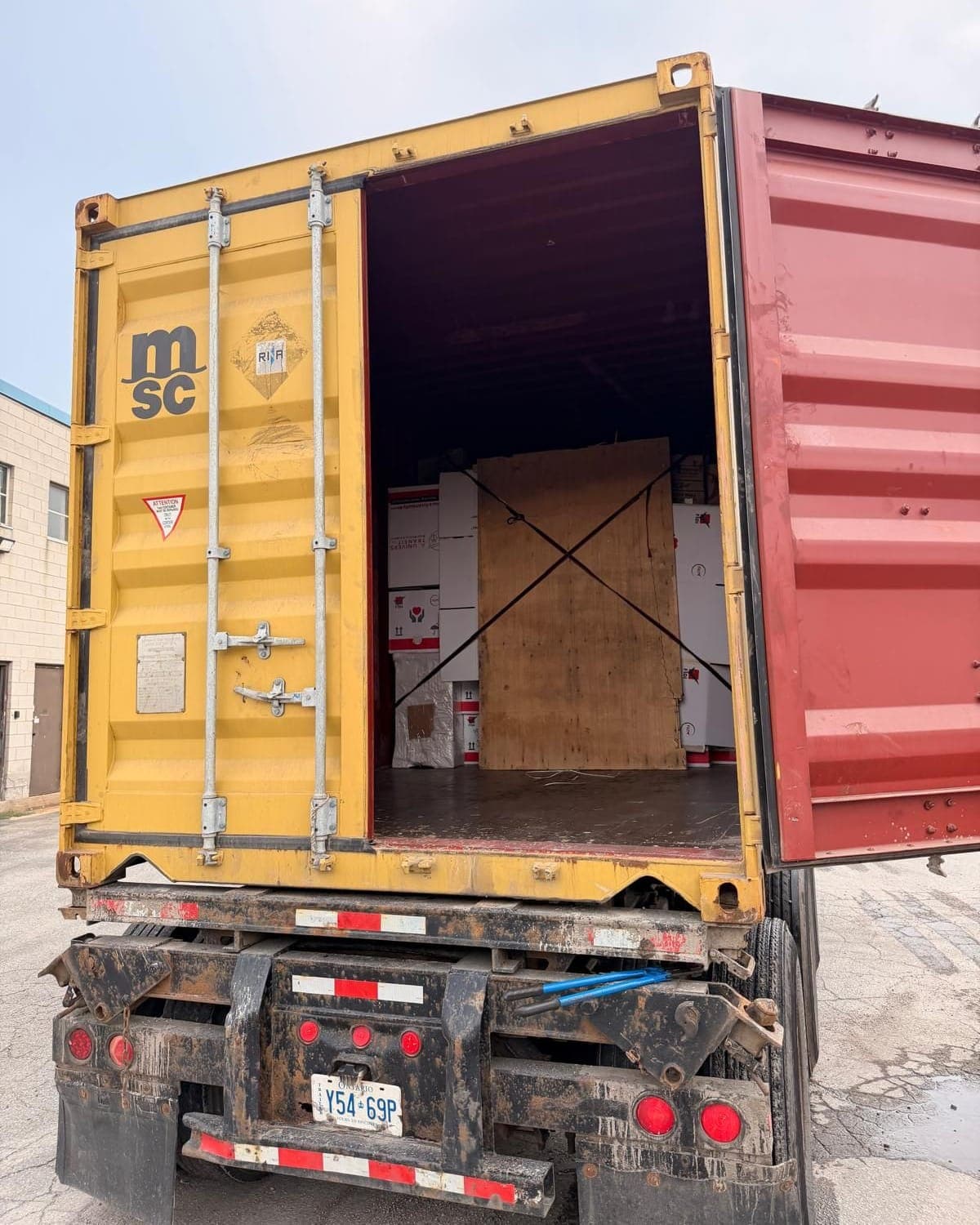
LCL and FCL are the two ways cargo leaves Toronto by sea, and choosing the wrong one costs money at both ends. We book ocean freight with the major steamship lines, consolidate and load at our Toronto warehouse, and dray every container to the rail terminal on our own chassis.
This page explains how the two differ, what a shipment from Toronto actually costs, how long it takes, and how to decide. One form at the end quotes either.
- Services
- FCL (20′, 40′, 40′HC, 45′, open-top, flat-rack) and LCL consolidation
- Carriers
- Maersk, MSC, CMA CGM, Hapag-Lloyd, ONE, COSCO, Evergreen, ZIM
- Gateways
- Montreal & Halifax (Atlantic), Vancouver & Prince Rupert (Pacific)
- Loading
- At our North York warehouse by our crews, or at your plant
FCL vs. LCL: how to choose
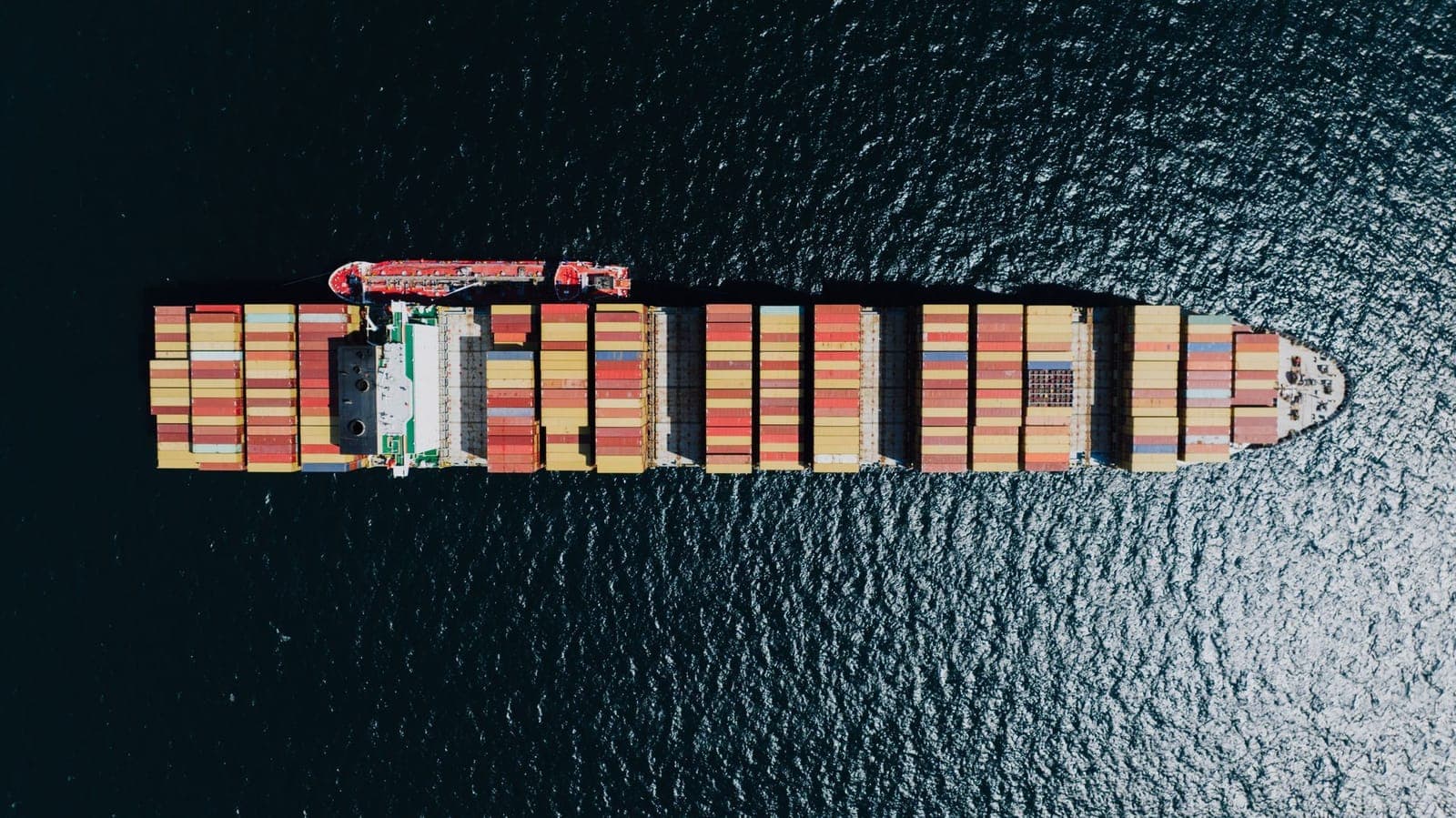
Full container load (FCL) means the container is yours: loaded and sealed at our warehouse or your plant, unopened until it reaches the consignee. Less-than-container load (LCL) means your pallets share a container with other shippers' cargo, consolidated at a container freight station (CFS) before sailing and deconsolidated at destination. FCL is priced per container regardless of how full it is; LCL is priced per cubic metre (or per weight-measure tonne, whichever is greater).
The crossover point is usually around 12–15 cubic metres — roughly eight to ten standard pallets. Below that, LCL is cheaper. Above it, a 20′ container costs about the same and gives you faster transit, no co-loaded cargo and one seal from door to door. Fragile, high-value or dangerous goods almost always belong in FCL even at low volumes.
| FCL | LCL | |
|---|---|---|
| Pricing basis | Per container | Per m³ / weight-measure, with minimum |
| Volume sweet spot | 12 m³ and up | 1–12 m³ |
| Handling of your cargo | Loaded once, sealed, unopened | Handled at origin CFS and destination CFS |
| Transit from Toronto | Rail + ocean only | Adds 3–7 days each end for consolidation |
| Damage/loss exposure | Lowest | Higher — shared container, extra handling |
| Dangerous goods | Routine with DG declaration | Restricted; many CFS refuse DG |
| Documentation | One B/L per container | House B/L per shipper, master B/L per box |
What ocean freight from Toronto costs
Every ocean freight quote from Toronto has the same anatomy. The ocean freight itself is the largest line but rarely the whole story. Rail from the GTA to the port (or carrier haulage that includes it) comes next. Then the terminal handling charge at the Canadian port and at destination, the documentation and bill of lading fee, the export declaration, the drayage from our warehouse to CN Brampton or CPKC Vaughan, and any packing, crating or consolidation done before loading. Seasonal surcharges — peak season, bunker adjustment, emergency space — are quoted at the carrier's current tariff.
For LCL, add the CFS receiving and consolidation charges at origin and the deconsolidation and delivery-order fees at destination; these are what make small LCL shipments feel expensive per cubic metre. We itemize all of it. A cost breakdown with worked examples is in our article on shipping container costs from Toronto.
Transit times from Toronto
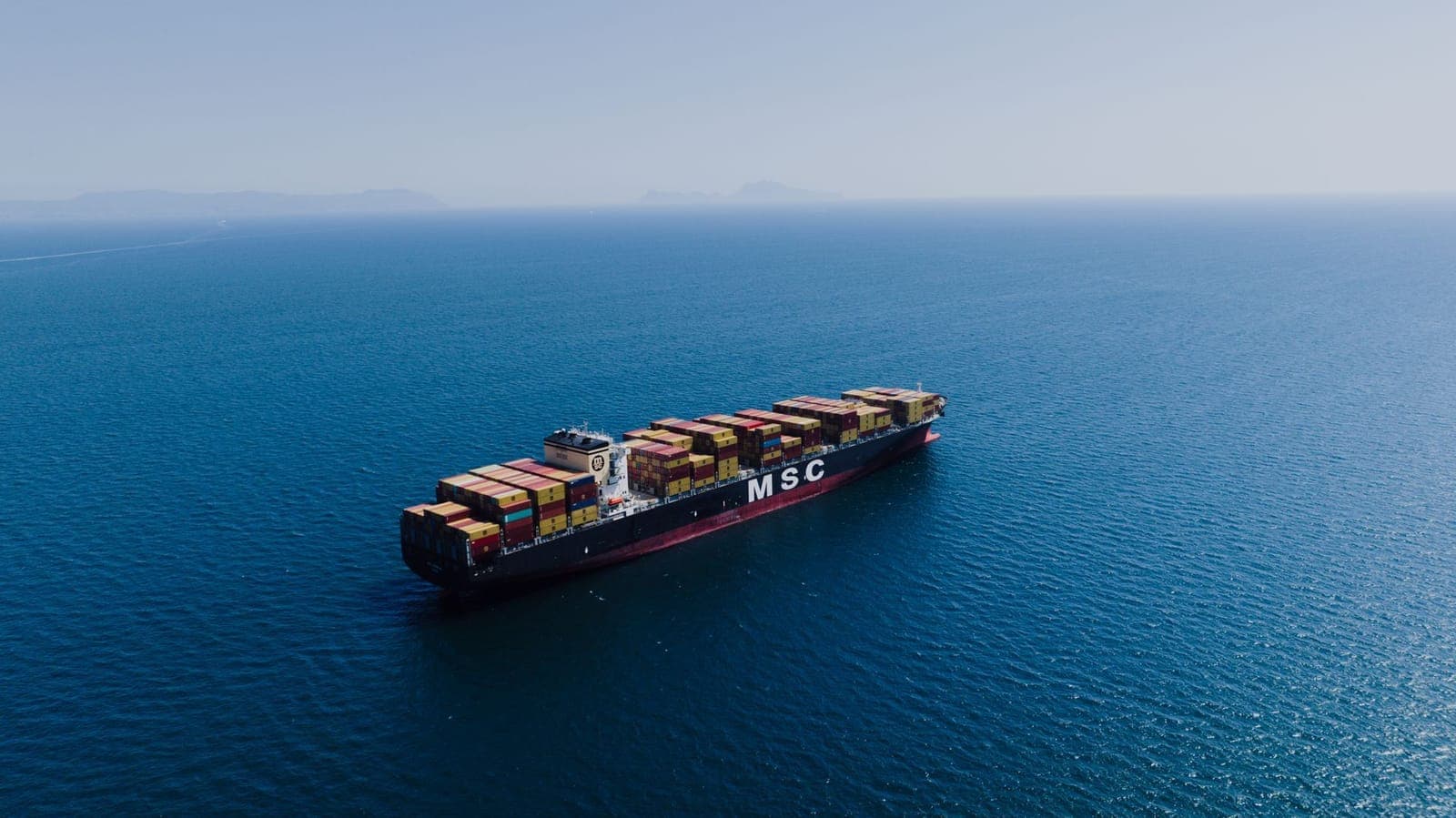
Rail from the GTA to Montreal takes one to two days, to Halifax three to four, and to Vancouver or Prince Rupert five to seven. Ocean transit from there depends on the trade lane and the carrier's rotation. The figures below are typical port-to-port times; add rail at origin, consolidation for LCL, and customs and delivery at destination for a door-to-door estimate.
| Destination region | Canadian gateway | Typical ocean transit |
|---|---|---|
| United Kingdom & Northern Europe | Montreal / Halifax | 9–16 days |
| Mediterranean & Middle East | Montreal / Halifax | 18–30 days |
| West Africa & South Africa | Montreal / Halifax | 25–40 days |
| India & Pakistan | Montreal / Halifax | 30–40 days |
| China, Korea, Japan, SE Asia | Vancouver / Prince Rupert | 14–28 days |
| Australia & New Zealand | Vancouver | 25–40 days |
| South America (east coast) | Montreal / Halifax | 20–35 days |
Container types we book
Standard dry containers cover most cargo: 20′ for dense goods, 40′ and 40′ high-cube for volume, 45′ high-cube where the carrier offers it on the lane. Open-top and flat-rack containers are booked for machinery and over-height or over-width pieces, with the securement designed and installed by our crews. Reefers are booked for temperature-controlled cargo with pre-trip inspection and genset drayage arranged through the carrier. Heavy 20′ loads are checked against the rail and road weight limits on the specific routing before booking so an overweight box never has to be re-worked at the terminal.
- 20′, 40′, 40′HC, 45′HC dry
- Open-top and flat-rack for out-of-gauge cargo
- Reefer with genset drayage
- Shipper-owned containers (SOC) accepted on request
- Dangerous goods with IMDG declaration and placarding
Container shipping from Toronto: how the move runs
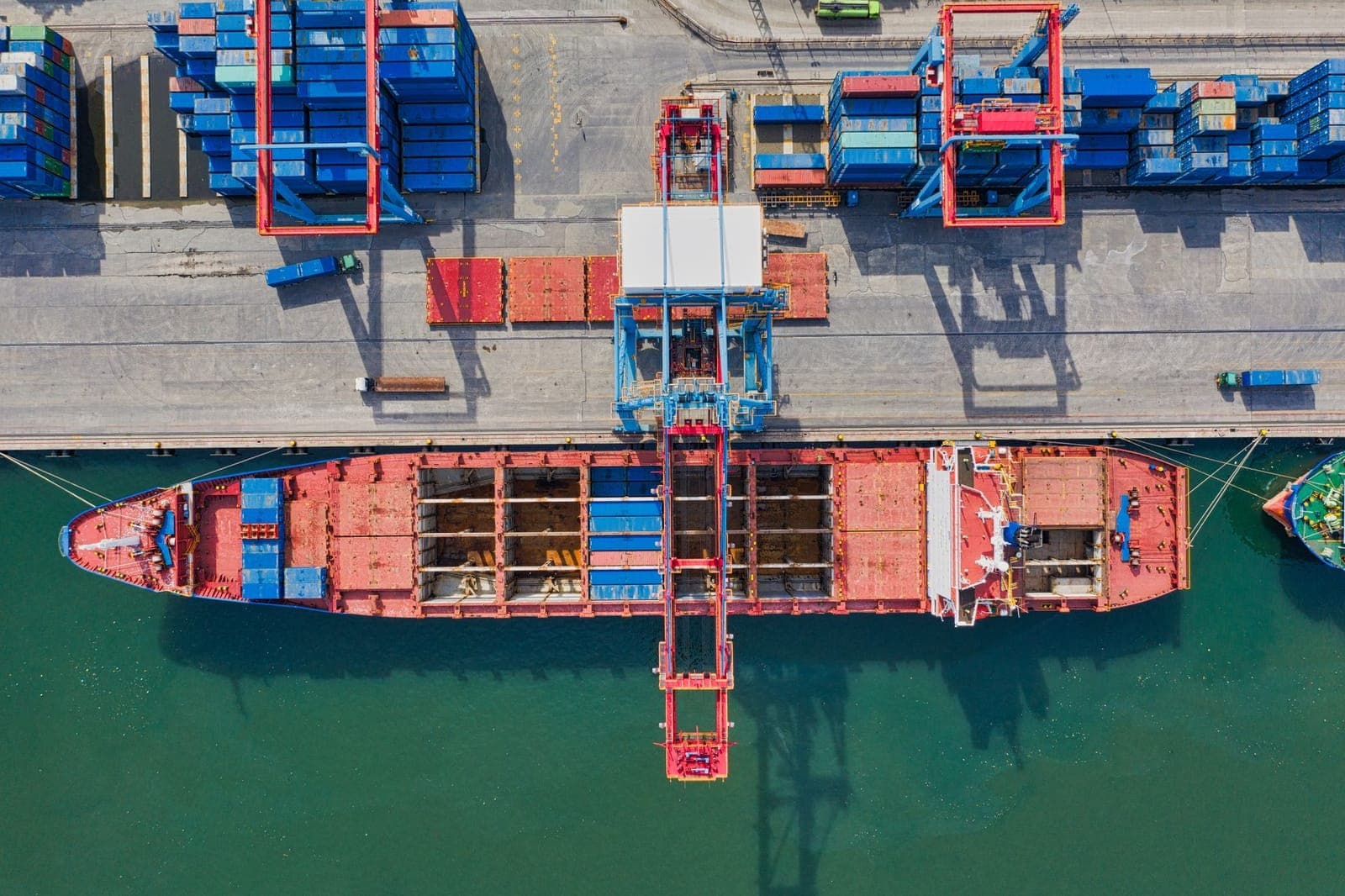
Cargo is collected on our straight trucks or delivered to our North York warehouse by your carrier. Our crews receive and count it, pack or crate what needs protection, and — for FCL — load, block and brace the container on our dock before it is sealed and photographed. For LCL, pallets are consolidated with the week's other shipments for the same destination and tendered to the CFS. The container is drayed on our chassis to CPKC Vaughan or CN Brampton against the rail cut-off, moves to the port on the carrier's rail service, and sails on the booked vessel. At destination our partner agent handles customs, deconsolidation and delivery.
For imports the chain runs in reverse and ends with our own drayage truck at the GTA terminal and our own crew at the dock — see container drayage Toronto and container unloading.
How it works
From booking to proof of delivery
- 01
Quote
Commodity, volume or container count, origin, destination and Incoterm. You receive an itemized FCL or LCL quote, often both, with sailing options.
- 02
Book
We confirm the vessel, cut-offs and documentation checklist; pickup or delivery to our warehouse is scheduled.
- 03
Consolidate & load
Cargo received and packed at North York; FCL containers stuffed and secured by our crews, LCL tendered to the CFS.
- 04
Sail & track
Drayed to the terminal, railed to the port, sailed. You get milestone updates through to destination delivery.
What's included
Everything on the invoice, nothing hidden
- FCL and LCL ocean freight booking with major carriers
- Rail-inclusive routing to Montreal, Halifax, Vancouver or Prince Rupert
- GTA pickup on our trucks and receiving at our warehouse
- Consolidation, packing and crating before loading
- Container loading, blocking and bracing by our crews
- Drayage to the intermodal terminal on our own chassis
- Export documentation: CERS, B/L, VGM, DG, certificates of origin
- Destination agent for customs, deconsolidation and delivery
Built for
Who uses this service
- Exporters shipping full containers of machinery, materials or products
- Small exporters and sample shipments that suit LCL consolidation
- Importers comparing FCL and LCL for regular inbound freight
- Businesses shipping out-of-gauge cargo on flat-racks or open-tops
- Overseas buyers arranging ex-works pickup in Southern Ontario
Service area: GTA & Southern Ontario
Our facility
Our warehouse in Toronto
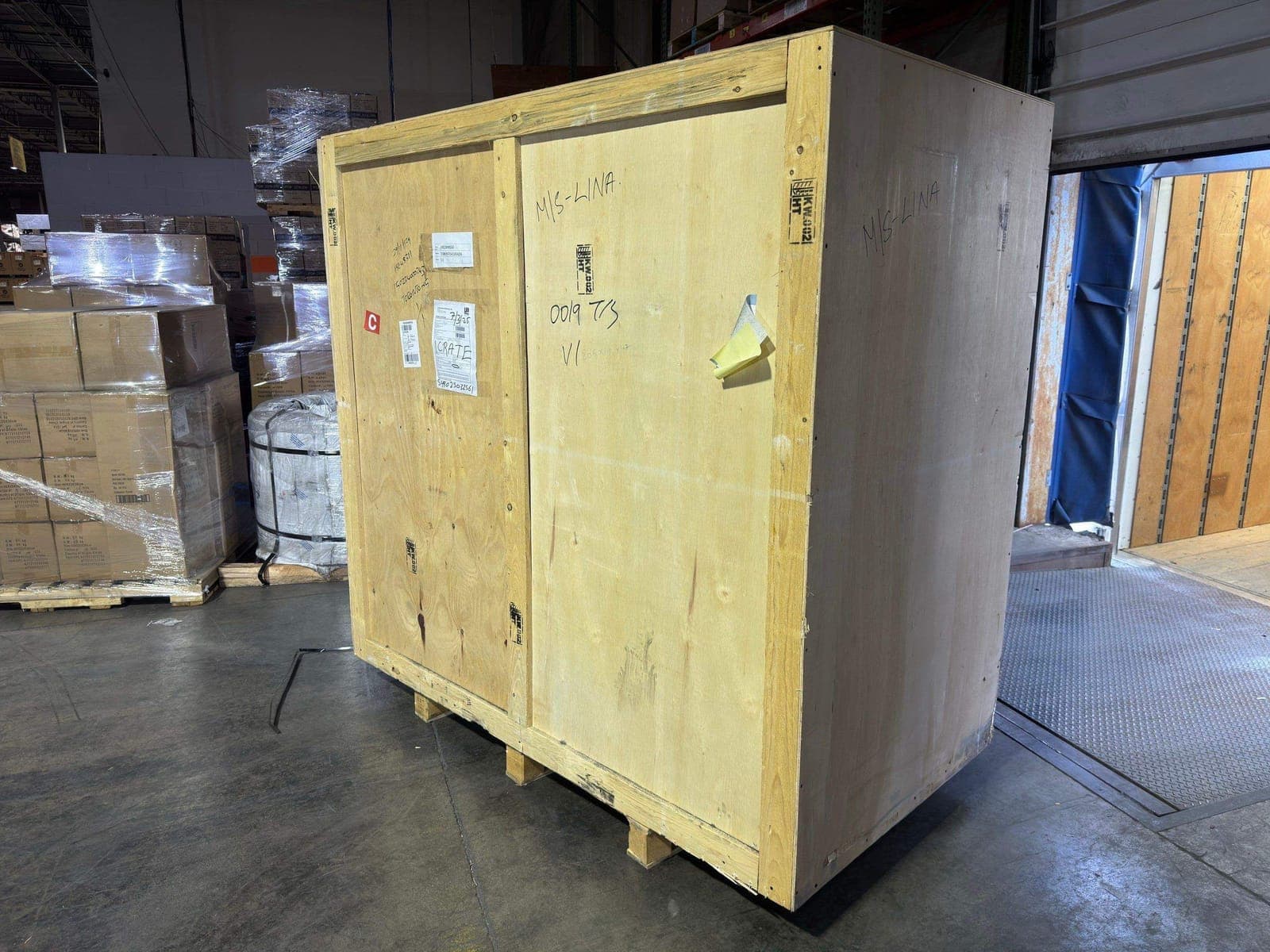
A working dock minutes from the intermodal terminals: containers received live or dropped, freight unloaded by our own crews, storage on our racks, and straight trucks loading for delivery — there whenever a shipment needs it.
- Operating warehouse in North York, Toronto
- Dock-level receiving, container live-unload or drop, racked and floor storage, staging for outbound.
- Lumper crews on staff
- Floor-loaded 40′ containers are hand-unloaded, palletized and wrapped by our own people — not day labour.
- Straight trucks for delivery
- Warehouse-to-door distribution across the GTA & Southern Ontario, including inside and white-glove delivery.
- Minutes from the intermodal terminals
- ≈15 min to CPKC Vaughan, ≈30 min to CN Brampton, ≈25 min to the Port of Toronto — short drays, fewer chassis days.
FAQ
Ocean Freight FCL & LCL: frequently asked questions
What is LCL shipping?
What is FCL shipping?
Is LCL cheaper than FCL?
How long does ocean freight from Toronto take?
Which ports does container shipping from Toronto use?
Can I load the container at my own facility?
Do you ship dangerous goods by sea?
Related services
Often booked together
Commercial quote
Get an FCL or LCL quote from Toronto
Send the commodity, volume, destination and target date. We will quote the right service — or both — with sailings and an itemized cost.
- Itemized pricing — terminal, fuel, chassis and accessorials listed
- Answered by dispatch during business hours, Mon–Fri
- Standing rate sheets for recurring volume
Prefer to talk? +1 (365) 829-5000