Every few weeks a client planning an overseas move asks us the same question: can the dog travel in the container? The answer is no — never, from anyone. A shipping container is sealed, unventilated and unopened for weeks at sea, and no living animal may travel in one. We move the household: the furniture, the boxes, the inventory and the customs file. The pet needs its own plan, and because so many of our moving clients travel with one, here is what that plan looks like.
How pets actually travel: they fly
Cats and dogs cross oceans by air, one of three ways. A small pet can often fly in the cabin in a carrier under the seat. A larger animal flies in the hold, either as accompanied baggage on your own flight or as manifested cargo on a dedicated animal program such as Air Canada Cargo's AC Animals, where the hold is pressurized and temperature-controlled and the crate is handled by trained staff. The airlines enforce the details either way: breed restrictions for snub-nosed dogs and cats, and seasonal heat and cold embargos that can rule out certain routes in summer and winter.
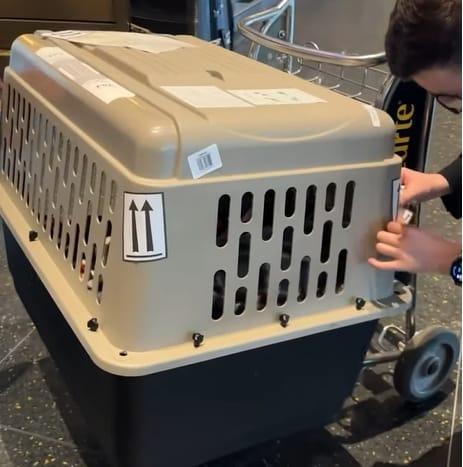
The crate is the ticket, so fit it early
Whatever the routing, the animal travels in a rigid, airline-compliant kennel it can stand in without its ears touching the roof, turn around in, and lie down in naturally — and the airline will measure, so the crate is fitted to the dog, not bought in a hurry the week of the flight. A crate that fails the check at the counter is the most common way a pet misses its plane. Get the crate weeks ahead, measured against the standing dog, with ventilation on all sides, a leak-proof floor, live-animal and this-way-up labels, and a water bowl or bottle that can be reached from outside.
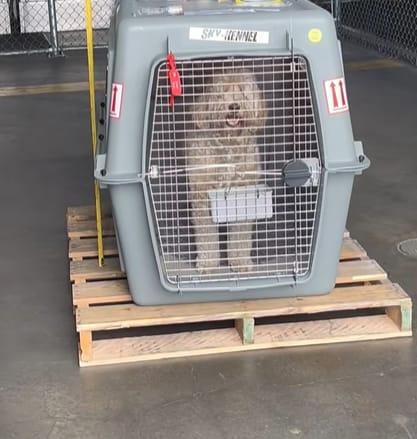
Then make the crate boring
The second job with the crate happens at home: in the weeks before the flight it should become furniture. Door off or tied open, meals fed inside, a familiar blanket on the floor, the water bottle mounted and working. A dog that has napped in its crate for a month treats the flight as a strange day; a dog that meets the crate at the airport treats it as a trap. This is also the cheapest part of the whole operation — it costs nothing but starting early.
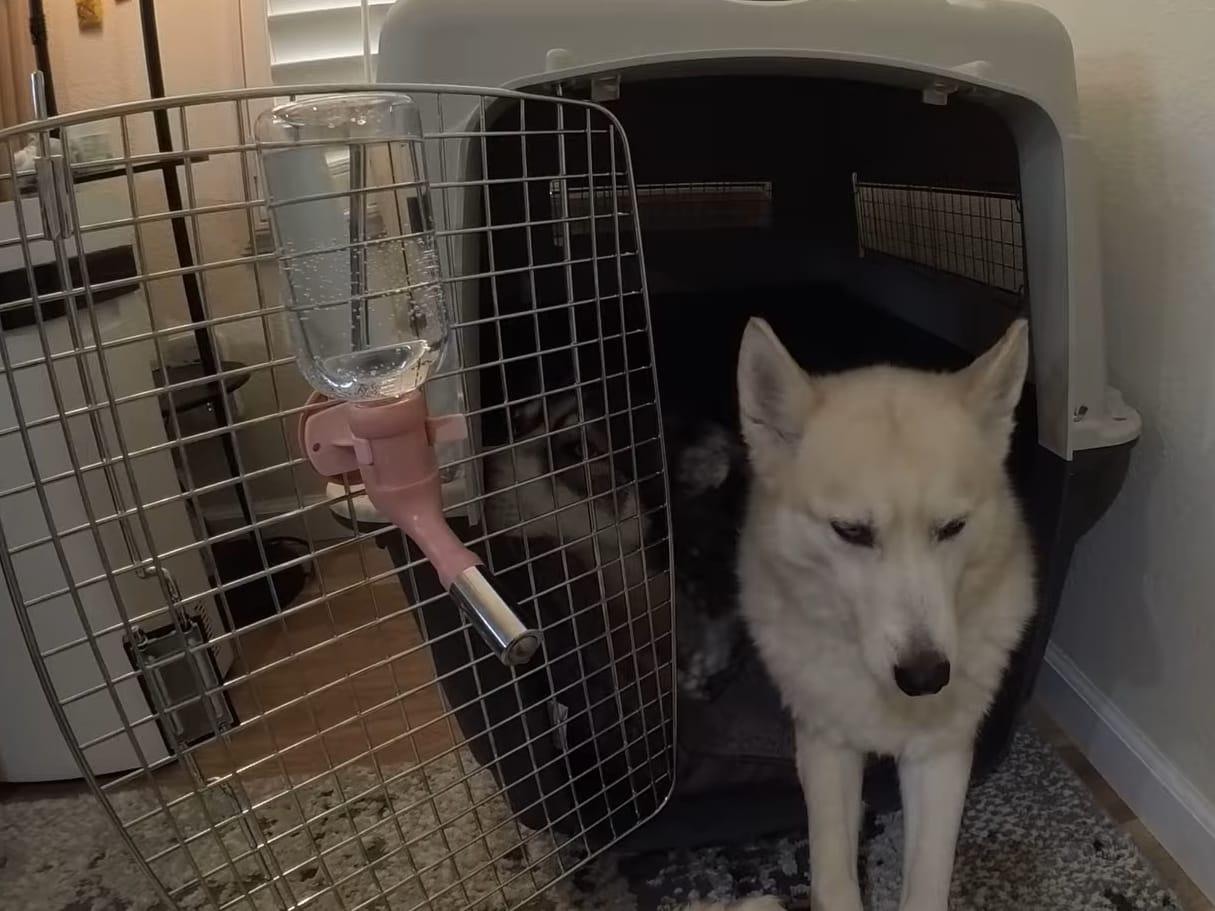
The paperwork sets the timeline, not the flight
A flight is booked in a day; the pet's file is not. Most destinations want a microchip, a current rabies vaccination given after the chip, a veterinary health certificate issued days before departure, and often an import permit. Some countries — Australia and New Zealand above all — require a rabies blood-titer test months in advance and quarantine on arrival, which makes the pet's calendar the longest lead item in the whole move, longer than the container's. On the Canadian side, the export health certificate is endorsed by the Canadian Food Inspection Agency, whose pet pages also cover the rules for bringing an animal back into Canada if the move ever reverses. Start that file the same week you book your survey, not the week you fly.
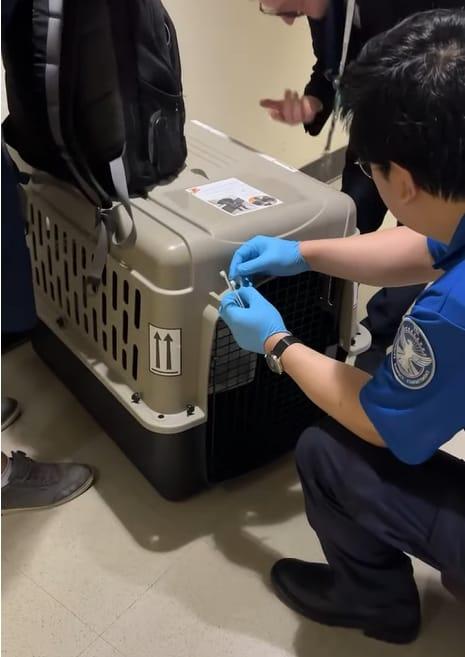
Who to call: this is a specialist's trade
We do not arrange pet travel, for the same reason a pet shipper does not pack your dishes: it is a trade of its own, with its own airline relationships, crate fitting, vet scheduling and country rules that change without notice. What we can do is point you to people who do it every week. In the GTA, Toronto Pet Valet handles international pet relocation door to door — the crate fitting, the vet appointments, the airport run and the hand-off to a handler at the other end, so the animal is never the item on the moving day checklist that nobody owns.
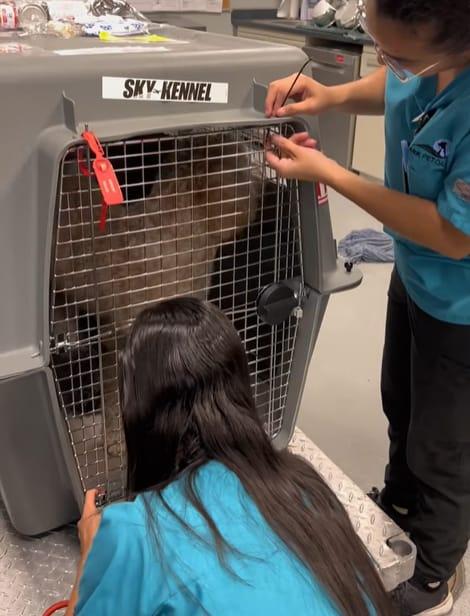
Booking the flight, the documents and the crate as one file
For the booking-heavy side of it — matching the flight to the breed and the season, holding space in the animal hold, and building the document file so the vet dates, the permit and the departure all land in the right order — Pet Travel Advisors arranges international pet shipping from Canada end to end. Whichever specialist you call, give them the same lead time you give us: a pet booked two months out travels calmly on the route you wanted, and the move runs as one plan instead of two emergencies.
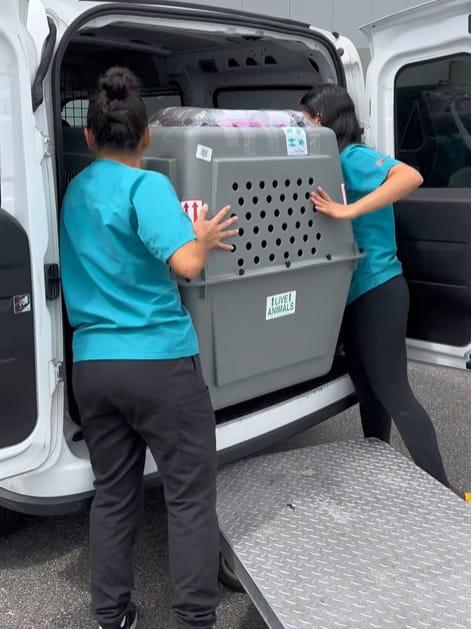
One coordination tip from the moves we run
The pet usually lands weeks before the container does. Keep the bed, bowls, leash, food and medications out of the shipment and in your luggage — a dog that just flew across an ocean should not have to wait six weeks for its own blanket. And on the day the crates roll through the terminal at the other end, the household side should already be sailing quietly behind you, which is the part we do.
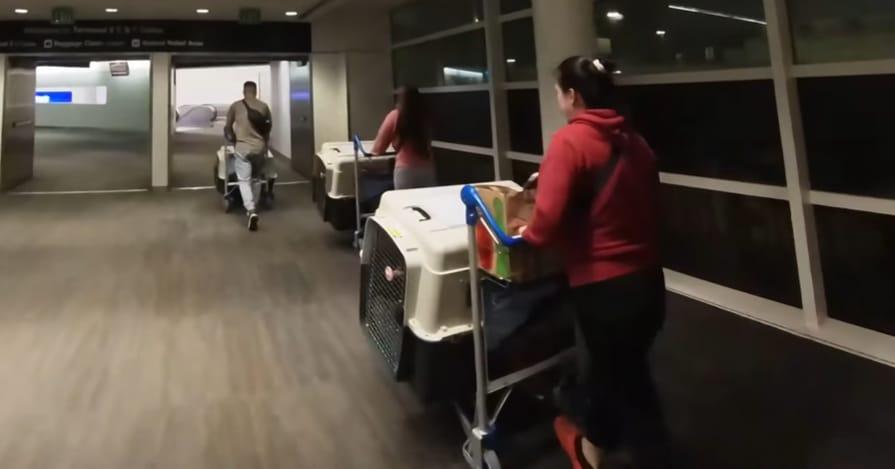
Moving abroad with the whole household?
We pack, ship and deliver everything that doesn't breathe — door to door, with one coordinator. Tell us where you're going and a fixed quote follows.